The $20,000 GPM Reality: Bridging the Gap Between Engineering Theory and Underground Grit
By Wei Liao, BAMI-I Executive Director
What do you do when your Tunnel Boring Machine (TBM) hits nested boulders and cobbles just 20 feet into a 1,400-foot run—directly beneath active campus roads and critical chilled water lines carrying 20,000 gallons per minute?
In the classroom, we call this a “differing site condition.” In the field, Dan Bazzini and the team at Midwest Mole call it “Tuesday.”
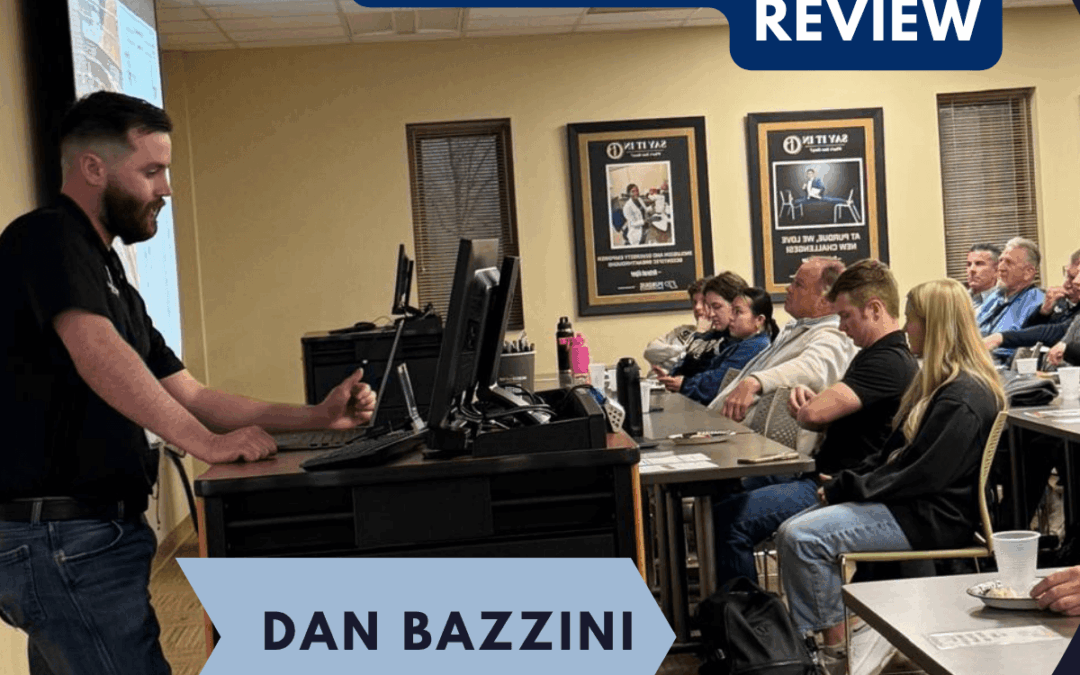
On March 11, 2026, the BAMI-I team joined the Purdue University UCA/NASTT student chapters for an Industry & University Connection Event. The highlight was a technical deep dive into a recently completed campus project: the installation of 2,300 feet of dual 36-inch HDPE chilled water pipe.
The Project: Engineering Under Pressure
The project was designed as an express loop to bypass building laterals and increase cooling capacity across the Purdue campus. While the contract documents indicated medium-to-dense sand, the reality was a gauntlet of boulders and gravel with nearly zero fines.
When the TBM encountered these obstacles, the risk of “chimneying”—where a void reaches the surface—threatened the integrity of the roads above. The solution required a masterclass in real-time risk mitigation:
-
Top-Down Stabilization: Closing active roads and potholing every six feet to pour flowable fill.
-
Custom Content Engineering: Designing a “monstrosity” of a fitting—a custom-fabricated 36″x 24″ T-junction that accounted for a 102-degree turn and a 2-foot elevation differential—all without a single flange or bolted connection, per Purdue’s strict “solid-fused” requirements.
-
Surgical Accuracy: Navigating within two inches of existing high-pressure lines.
Strengthening the Talent Pipeline
As Dr. Tom Iseley, the “legend” of underground infrastructure, noted during the event, the goal of these gatherings is to ensure the “textbook comes alive.”
BAMI-I is dedicated to this mission. We aren’t just teaching students to pass exams; we are introducing them to the “grit” of the industry. From the Utility Investigation School (UIS)—which teaches the ASCE 38/75 standards essential for preventing utility strikes—to our Certification of Training in Asset Management (CTAM) courses, we are building a workforce that understands risk, lifecycle costs, and the “Math of One.”
The Regulatory Shift: Why This Matters Now
This event took place against a backdrop of significant legislative change. Indiana’s House Enrolled Act 1459 now mandates that water and wastewater utilities develop 20-year comprehensive, risk-based asset management plans.
The days of “guesswork” in underground infrastructure are over. Whether it is a small utility like Switz City—where BAMI-I helped secure $650,000 for a “gold standard” asset management pilot—or a massive campus loop at Purdue, the requirement is clear: Document everything, mitigate risk, and plan for the lifecycle.
Conclusion: The Grounds are the Boss
In the tunneling world, there is a saying: “The grounds are the boss.” At BAMI-I, we respect that authority by providing the training, standards, and industry connections necessary to manage what we cannot see.
Thank you to Midwest Mole for sponsoring the evening and to the students who will soon be the next generation of leaders managing our buried assets.