

By Tacoma Zach, P.Eng.
Many water and wastewater utilities look to strategic asset management plans to improve reliability, reduce risk, and make better investment decisions around their physical assets. These goals often lead to conversations about analytics, risk models, capital planning, or advanced maintenance strategies. But there is a more fundamental question that must be answered first:
Can you trust your asset data?
In practice, many asset management challenges—missed risks, inefficient maintenance, or poorly justified capital spend—can be traced back to poor asset data quality. Incomplete, inconsistent, or inaccessible asset data undermines even the most sophisticated asset management programs. Before utilities can manage assets well, they must first fix the data that describes them.
This article serves as a primer on why asset data quality matters, what “good” asset data looks like, and what organizations unlock when they get it right.
What Do We Mean by Asset Data?
Asset data is the structured information that describes physical assets and their condition, context, and performance. As part of broader asset information management, this data typically includes:
- Asset identification (what it is and where it is)
- Physical characteristics (type, size, materials, age)
- Condition information (inspection results, observed defects)
- Operational context (duty, environment, loading)
- Maintenance and failure history
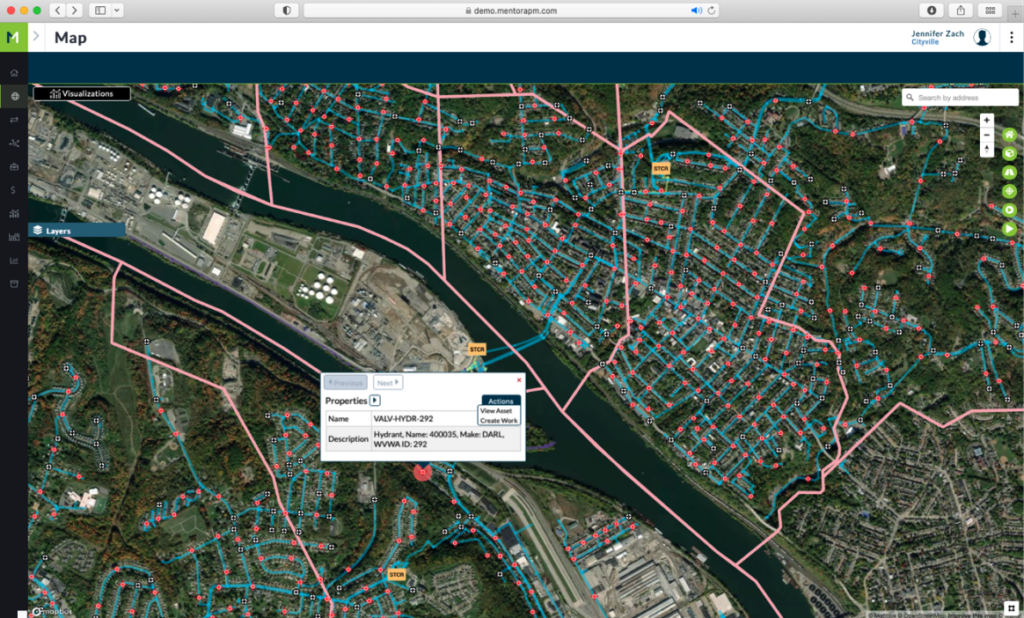
In water and wastewater utilities, this asset information often lives across multiple systems—CMMS or EAM platforms, GIS systems, inspection tools, spreadsheets, and historical reports—and is collected over many years by different teams for different purposes. The result is usually siloed asset data that exists but isn’t fully usable for decision-making.
Three Characteristics of Healthy Asset Data
To support effective, risk-based asset management, asset data must meet three core criteria: completeness, confidence, and usability.
1. Asset Data Completeness
Completeness answers a basic question: Do we have the asset data we actually need?
Common gaps in water and wastewater asset data include missing install dates, unknown pipe materials, inconsistent asset hierarchies, or incomplete inspection coverage. For example, a utility may not know which water mains are cast iron versus ductile iron or PVC. Pump stations may lack consistent condition data across similar assets, and treatment facilities may have incomplete records of equipment age or rehabilitation history.
These gaps force teams to rely on assumptions, averages, or subjective judgment—introducing hidden risk into asset management and capital planning decisions.
Complete data doesn’t mean perfect data. It means having clear minimum asset data standards that support risk assessment, prioritization, and long-term planning. Improving asset data completeness is often one of the first steps in advancing asset data maturity within a utility.
2. Asset Data Confidence
Confidence addresses whether the asset data can be trusted. Even when asset data exists, utilities often struggle with:
- Outdated condition information
- Conflicting values across CMMS, GIS, and planning datasets
- Subjective inspection ratings without supporting observations
- No clear link between observed defects and condition scores
For example, a pipe condition rating may be based solely on age rather than inspection results. Pump condition scores may not reflect recent vibration analysis or maintenance findings. In treatment facilities, condition assessments may vary depending on who performed them and when.
Low-confidence asset data leads to hesitation. Engineers override models, planners re-check assumptions, and leadership questions whether recommendations reflect reality.
High-confidence asset data is defensible and traceable—collected using consistent condition assessment methods, supported by inspection evidence, and governed through clear asset data standards.
3. Asset Data Usability and Accessibility
Usability asks: Can the right people actually use the asset data when they need it?
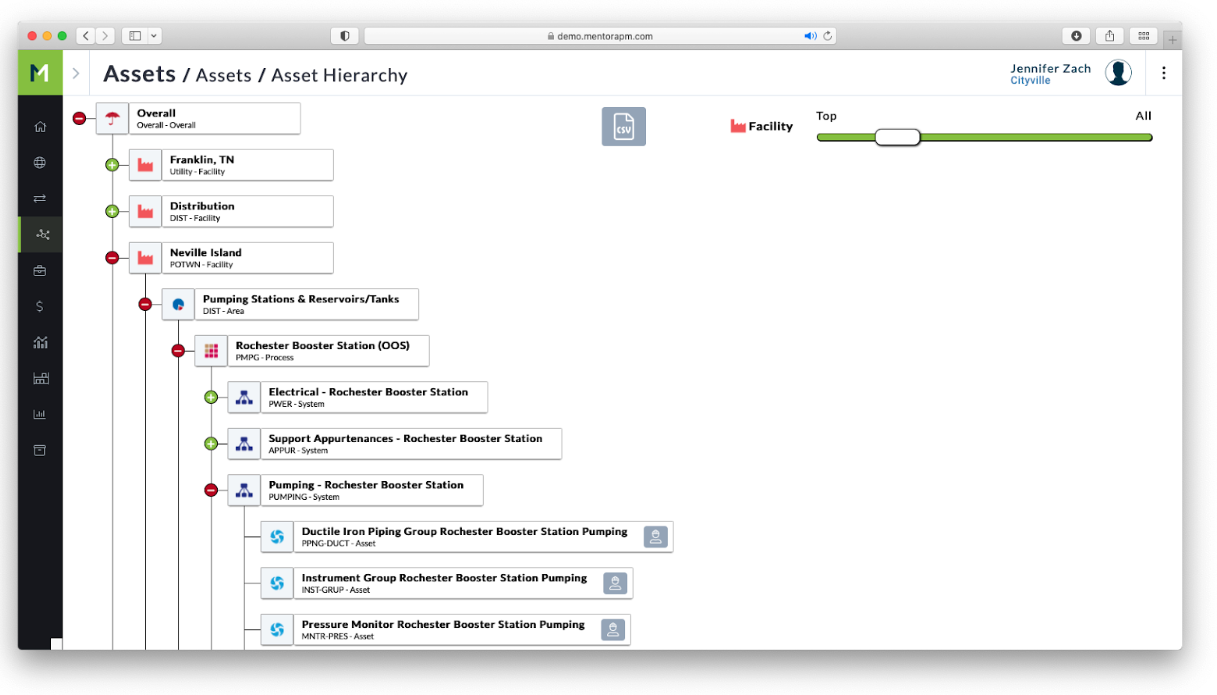
Asset data locked in PDFs, disconnected systems, or inaccessible formats limits its value. Even utilities with robust CMMS or EAM platforms often struggle with data usability. When engineers, planners, operators, and leadership cannot easily access or interpret asset information, decisions default to experience rather than insight.
For example, field crews may not see the inspection history or failure patterns of a pump or valve. Planners may struggle to compare condition data across multiple plants or service areas. Leadership may receive high-level summaries without transparency into underlying asset risks.
Usable asset data is structured, connected, and accessible—supporting shared understanding and consistent decision-making across the utility.
What Fixing Asset Data Enables
When asset data is complete, trusted, and usable, it becomes more than a record—it becomes the foundation for risk-based asset management.
Trusted Risk and Criticality Analysis
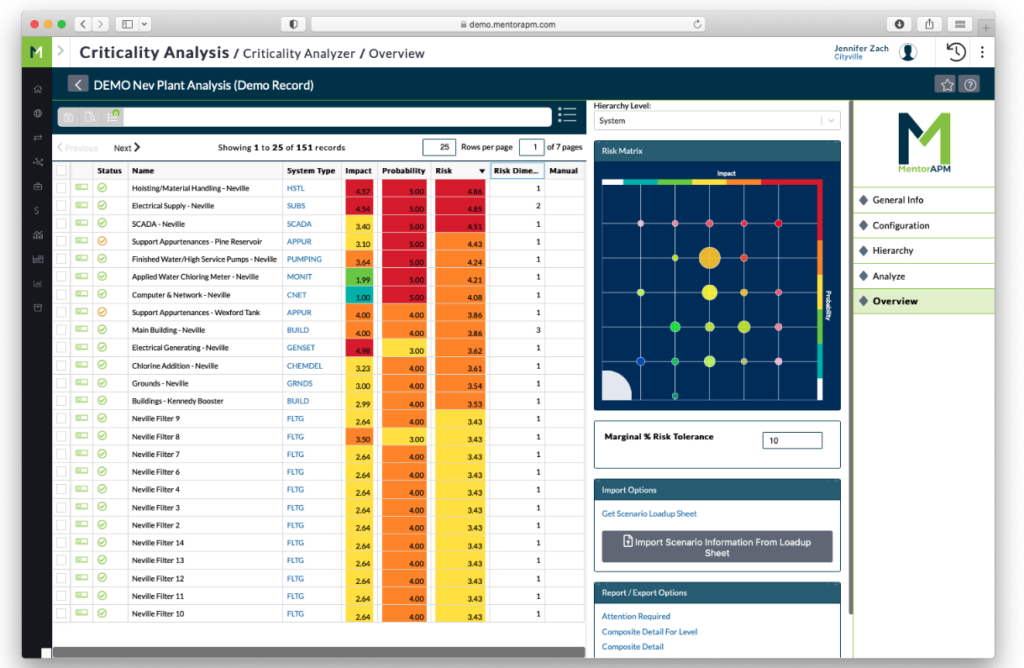
Risk models are only as good as the asset data behind them. When data is incomplete or uncertain, criticality rankings can become distorted—masking high-risk assets while elevating others unnecessarily.
Solid asset data allows utilities to directly connect observed asset condition to likelihood of failure and to apply consequence in a consistent way across the portfolio. As a result, risk rankings are no longer driven by intuition or assumptions, but by evidence that can be explained, reviewed, and defended with confidence.
Better Capital Planning and Investment Decisions
Capital planning often suffers when projects compete based on urgency narratives rather than transparent condition and risk drivers. When asset data is incomplete or inconsistent, investment decisions can feel reactive, making it difficult to explain why one project advances while another is deferred.
Reliable asset data changes this by grounding capital planning in measurable risk reduction rather than anecdote. With consistent condition and performance information, utilities can evaluate renewal and rehabilitation options using common criteria, compare alternatives more objectively, and forecast long-term renewal needs with fewer surprises.
Whether planning a pipe replacement program, rehabilitating pump stations, or upgrading treatment process equipment, strong asset data supports more confident, defensible, and explainable asset lifecycle decisions.
More Effective Maintenance and Daily Work
Maintenance teams make dozens of decisions every day—what to inspect, what to defer, and what to repair immediately. Without trusted asset data, these decisions rely heavily on tribal knowledge.
High-quality asset data supports:
- Condition-based maintenance instead of time-based assumptions
- Better prioritization of work orders
- Clear feedback loops between inspections and maintenance actions
This results in fewer unplanned outages, more targeted maintenance, and better use of limited operational resources.
Why Asset Data Quality Is Especially Critical for Water and Wastewater Utilities
For utility directors, asset data quality directly affects regulatory compliance, public accountability, and system resilience.
Regulatory Compliance and Defensible Decisions
Water and wastewater utilities are increasingly expected to demonstrate structured, risk-based asset management practices to regulators and oversight bodies. When asset data is incomplete or inconsistent, it becomes difficult to clearly explain why certain assets were renewed, rehabilitated, or deferred—especially when those decisions are questioned after the fact. In these situations, even technically sound decisions can appear subjective if they are not supported by documented evidence.
Strong asset data changes this dynamic. When condition information, risk drivers, and inspection results are consistent and traceable, utilities can confidently defend renewal timing and investment priorities. Reliable asset data also supports compliance with asset management and reporting requirements, providing a clear line of sight from observed asset condition to management decisions. During audits, inspections, or consent decree reviews, this defensibility allows utility leaders to respond with confidence rather than reconstruction.
Capital Planning Under Rate and Budget Constraints
Water and wastewater utilities must justify capital investments not only on technical merit, but also to boards, councils, and ratepayers—often within tight affordability constraints. In this environment, capital plans built on assumptions or generalized asset age curves are increasingly difficult to defend, particularly when funding requests compete with other public priorities.
High-quality asset data enables a more transparent and credible approach to capital planning. When investment decisions are grounded in documented condition and risk, utility leaders can clearly link capital spending to service reliability and risk reduction. This clarity makes it easier to explain tradeoffs between renewal, rehabilitation, and deferral, and to demonstrate why certain projects must move forward while others can wait. Over time, consistent asset data supports capital improvement plans that are not only technically sound, but also understandable and defensible to stakeholders.
Emergency Response and System Resilience
Asset failures are inevitable in water and wastewater systems. What matters most is how prepared an organization is when those failures occur. Incomplete or unreliable asset data often becomes most visible during emergencies—when crews lack clarity on pipe materials, valve locations, pump configurations, or previous failure history, and critical decisions must be made quickly.
Strong asset data supports faster and more informed emergency response by reducing uncertainty in the field. When system vulnerabilities are well understood and asset information is accessible, crews can isolate failures more efficiently, prioritize response actions, and reduce service impacts. Over the long term, this same data supports better planning for extreme weather and other disruptive events, strengthening overall system resilience rather than simply reacting to the last failure.
Public Trust and Organizational Credibility
Ultimately, asset data quality affects trust.
When utilities can clearly explain infrastructure risks, investment priorities, and service disruptions, they build confidence with customers, regulators, and governing bodies. When they cannot, even technically sound decisions are questioned.
Reliable asset data underpins credible communication and reinforces public confidence in how critical water and wastewater infrastructure is managed.
From Data to Outcomes: The Bigger Picture
Fixing asset data is not a technology exercise—it’s an asset management discipline. It requires clear asset data standards, consistent condition assessment practices, and a deliberate focus on how asset information will be used.
When thinking about strategic asset management it’s tempting to focus on ambitious initiatives. But lasting improvement in asset management starts with a simpler step:
Fix the data first.
Complete it. Build confidence in it. Govern it. Make it usable. Everything else—from regulatory confidence to capital planning to daily operations—depends on a strong asset data foundation.
About the author
Tacoma Zach, P.Eng

Tacoma Zach, P.Eng., is Co-Founder and CEO of MentorAPM, an asset intelligence platform helping infrastructure owners optimize risk, capital, and operational performance. A chemical engineer with 30+ years’ global experience, he serves on the US TAG for ISO 55000 and is the author of Criticality Analysis Made Simple.